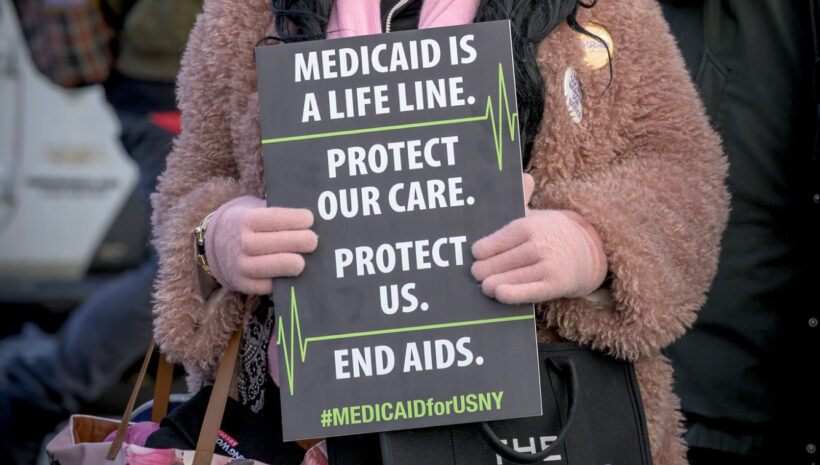
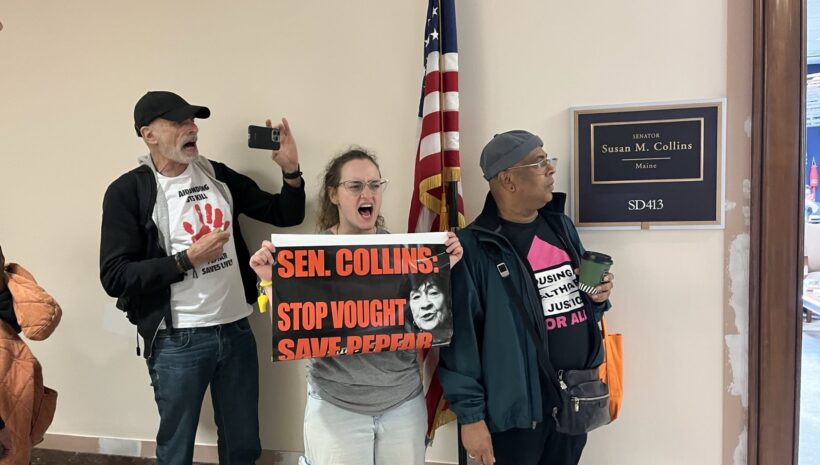
On Wednesday, June 17, 2026, Housing Works co-founder Ginny Shubert joined Brian Lehrer to discuss the impact that the CMS- proposed work requirements will have on people with HIV/AIDS. You can listen to the episode here.
In New York State, almost half of all people living with HIV—an estimated 55,000 to 57,000 individuals—depend on Medicaid for their healthcare coverage. Nationwide, Medicaid is the largest payer of HIV care, covering 40% of people with HIV at any given time, and 85% of people with HIV will rely on Medicaid to access care at some point in their lives. Yet, while Medicaid accounts for an estimated 45% of all federal spending on HIV care and is the largest source of public financing for HIV care in the U.S, followed by Medicare, in 2022 CMS estimated that federal Medicaid spending on HIV represented less than 2% of total federal Medicaid spending.
All people with HIV have a lifelong serious and complex medical condition for which uninterrupted access to HIV treatment is required to suppress viral load to an undetectable level that sustains optimal health and prevents transmission of the virus to others. For these individuals, continuity of care is not optional; it is essential. Any interruption in treatment leads to worsened health outcomes, new HIV infections, and significantly higher long-term costs to the healthcare system. A prolonged loss of care results in progression to AIDS and premature death. From both a public health and fiscal perspective, policies that create barriers to continuous coverage HIV care are inefficient and counterproductive.
The proposed rule is an inexplicable and morally insupportable failure to care for low-income people with HIV that, if it stands, will result in unnecessary deaths, new HIV transmissions, and a devastating set back to New York State and National efforts to end HIV/AIDS as an epidemic.