This op-ed appeared in Crain's New York on April 15, 2026
Big Pharma wants to kill the 340B program to pad its profits. If they win, patients in New York City and across the state will pay the price. Albany can step in and put a stop to this, but we need Gov. Kathy Hochul and the state Legislature to act now.
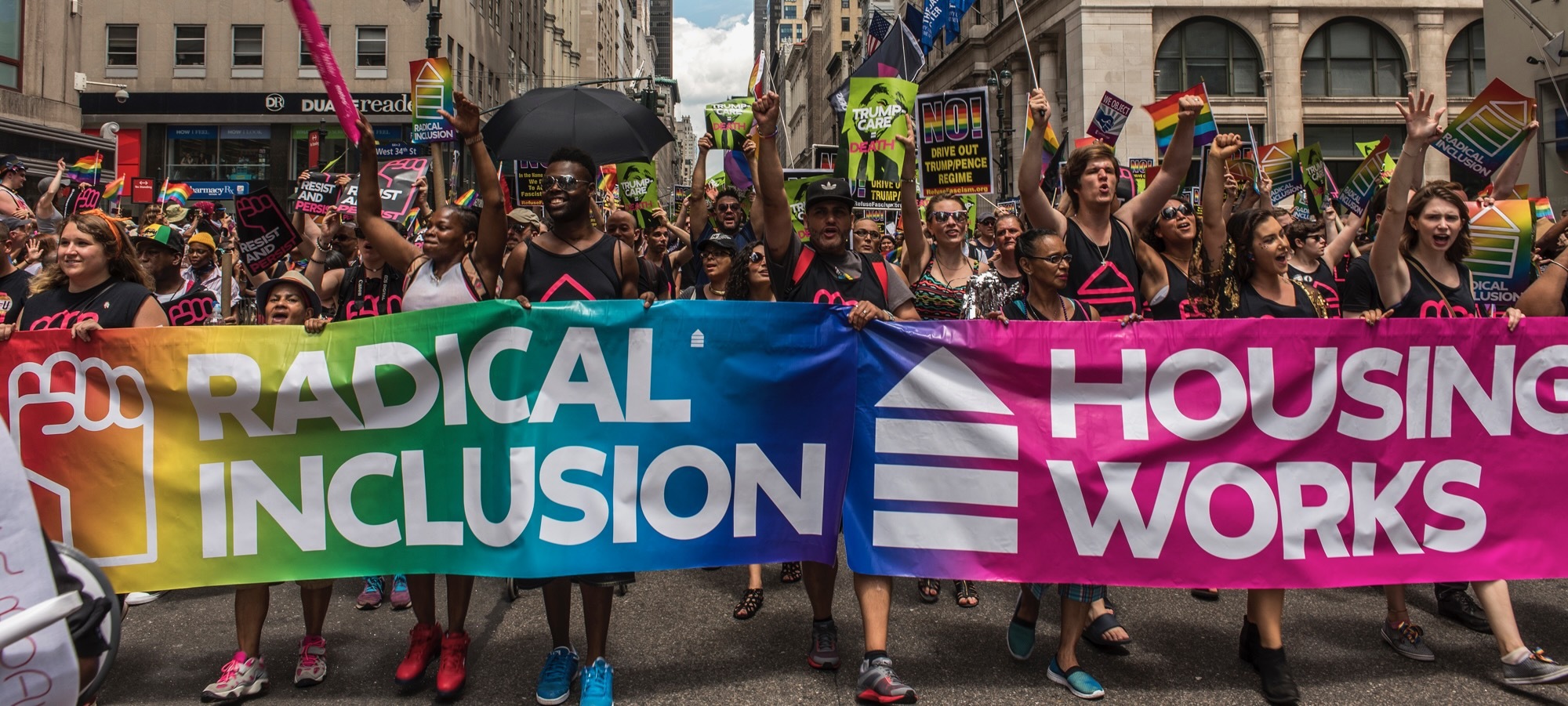
At Housing Works, we know how critical the 340b program is to our clients. Born out of the AIDS crisis in New York City, Housing Works is a healing community that fights for inclusive care, social justice and an end to homelessness. We provide integrated medical care and harm reduction – grounded substance use support alongside life-changing services for nearly 20,000 New Yorkers each year.
And our work depends on 340B.
The federal program was created by Congress in the early 1990s to improve care for marginalized populations. It allows community health centers, Ryan White providers, safety net hospitals and other providers serving Medicaid patients and low-income communities to purchase certain medicines at a discount and reinvest the savings directly into patient care — at no cost to taxpayers.
Those savings don’t show up as cheaper prices at the pharmacy counter. They show up in the services that keep people connected to care: care coordination, transportation help, nutrition support and programs that make it possible for patients to stay on treatment, keep appointments and avoid preventable crises.
At Housing Works, 340B provides at least $8 million annually for our health services — resources that help sustain HIV treatment support, substance use services grounded in harm reduction and wraparound supports like food, housing and transportation assistance. Across New York, 340B savings contribute hundreds of millions each year to support safety net providers serving communities that are low-income, Black and Latino, LGBTQ+ and people living with HIV, among others.
Now compare that to Big Pharma’s world.
In 2022, the top five drug companies reported $81.9 billion in combined earnings. And in 2025, pharmaceutical- sector federal lobbying rose to $452 million. Big Pharma spends in a few days what community providers stretch across an entire year to keep people alive and connected to care. That contrast should tell you everything you need to know about the priorities driving their attacks on 340B.
But Big Pharma isn’t acting alone. Pharmacy middlemen have joined in, using financial and administrative games that squeeze providers and pull resources away from patient care. The tactics can be technical. The consequences are not: fewer services, longer waits and more community health centers and hospitals forced to scale back or even shut their doors.
One of the biggest threats is restricting the use of local contract pharmacies. For many patients, contract pharmacies are how they actually get their medicine, especially in communities where traveling to an in-house pharmacy is not realistic. In New York, 92% to 95% of community health centers rely on contract pharmacies and partner with an average of 16 to 20 pharmacies to reach patients where they live. When manufacturers block or restrict those relationships, they aren’t “improving efficiency.” They are cutting off patient access.
Albany can stop this. The 340B Prescription Drug Anti-Discrimination Act, A.6222 (Paulin) / S.1913 (Rivera), is a straightforward patient protection bill. It would stop drug companies and pharmacy benefit managers from singling out 340B providers with extra restrictions or payment cuts. It would protect community health centers’ and hospitals’ ability to use local contract pharmacies. And it would give the Department of Health the authority to enforce the law and hold violators accountable.
As Assembly member Amy Paulin put it plainly: “We need to get that discrimination out of health care.” She’s right. New York should not allow out-of-state corporations to rewrite the rules in ways that ration access to medication and care — and drain resources out of the very providers keeping communities afloat. The Legislature should pass A.6222/S.1913, and Gov. Kathy Hochul should sign it. New York can defend health care access statewide — at no cost to taxpayers — by stopping corporate roadblocks from squeezing resources out of patient care. If we don’t act, Big Pharma will keep tightening the vise until community providers are forced to cut services, close sites and leave New Yorkers with nowhere to turn.